
Ghost Stories from London
Ghost Stories from London

Which stories and authors have I actually woven into the fabric of "Children of Baker Street"? In this context, I would like to take the opportunity to explore in greater detail the diverse array of authors featured in the collection and to shed light on the significant stories that serve as the foundation for their works. Understanding the creative influences that have shaped these narratives is crucial, as well as appreciating the distinct perspectives that each author has brought to the compilation. By examining these elements, we can gain a deeper insight into the richness of the storytelling and the imaginative worlds created within this collection.
“Below is a brief overview of the characters I have used, albeit only in broad outlines. The number of characters will be regularly updated here.”
Gothic literature, commonly known as Gothic Fiction, represents a significant and influential literary genre that first took shape in England during the mid-18th century and ultimately reached its peak during the early 19th century.
Characterized by its haunting and atmospheric settings, such as the iconic residence of William Wordsworth at Rydal Mount, Gothic literature embodies a distinct aesthetic that captivates readers. Within the framework of the Gothic novel, themes of the supernatural and the unconventional began to resurface in English literature towards the latter part of the 18th century, revitalizing elements that had been overshadowed by the prevailing rationalism of the Enlightenment. This genre deliberately transformed horror into a compelling aesthetic commodity that resonated with audiences and achieved notable success in the literary marketplace. The development of these works was profoundly influenced by Edmund Burke's theory of the Sublime and drew inspiration from earlier literary traditions, including Jacobean drama and medieval romance, enriching the narrative landscape of the time.

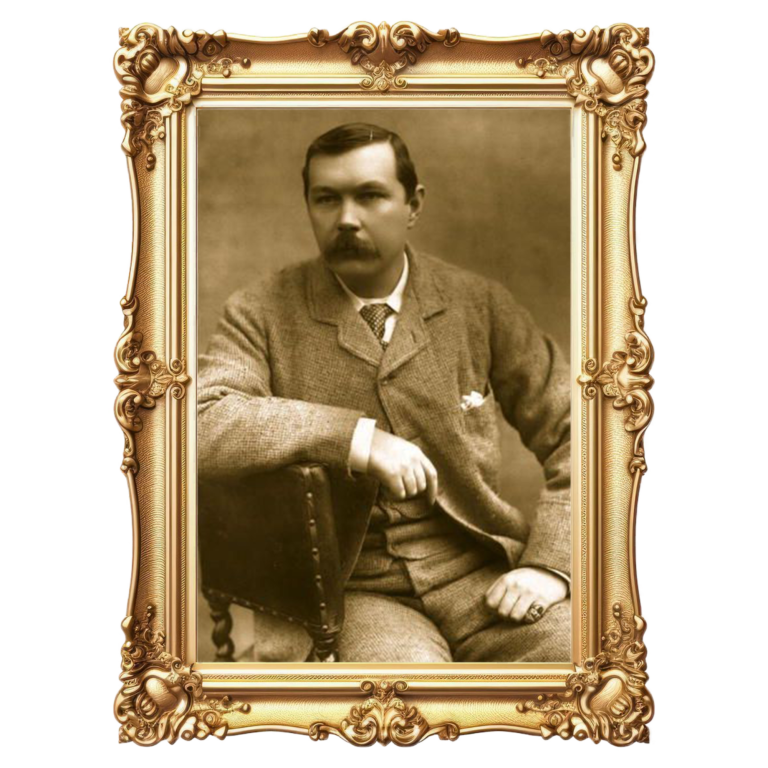
Sir Arthur Ignatius Conan Doyle (May 22, 1859, Edinburgh, Scotland – July 7, 1930, Crowborough, Sussex, England) was a British physician and author. He is best known for his stories about The adventures of Sherlock Holmes and his faithful companion, Dr. Watson.
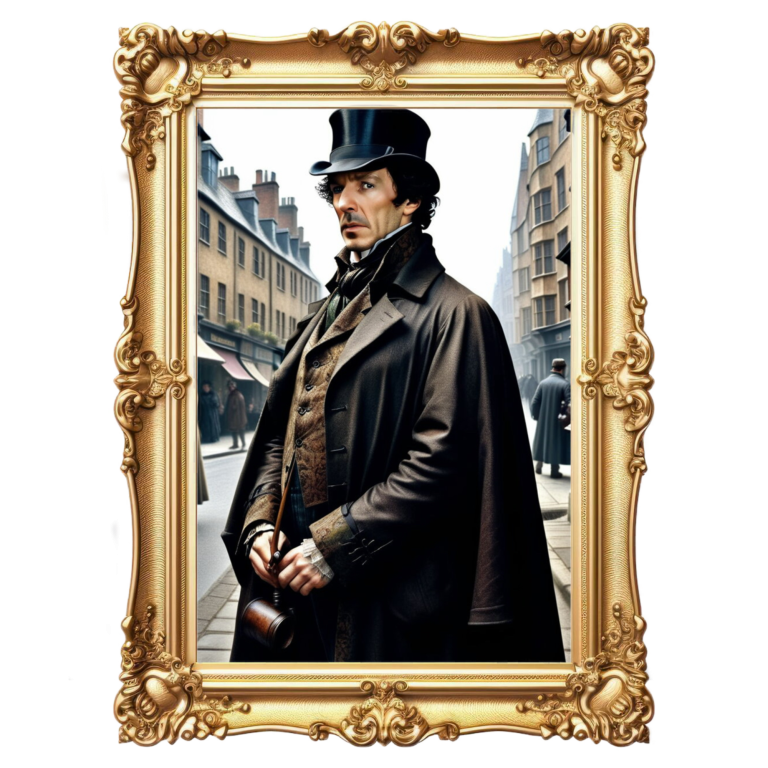
Sherlock Holmes' work as a detective is characterized by analytical thinking and a scientific approach. He employs various methods to gather clues and solve crimes.
These include
Observation
Holmes has a remarkable eye for detail. He notices small things that others overlook and draws conclusions about people and situations from them.
Deduction
His ability to draw comprehensive conclusions from minimal information is legendary. He analyzes evidence and develops theories, which he then tests.
Scientific Methods
Holmes utilizes modern scientific techniques, such as forensics, chemical analyses, and ballistics, to examine evidence and reconstruct crimes.
Interviews and Interrogations
He questions witnesses and suspects to verify their statements and expose lies.
Collaboration with Watson
Dr. Watson plays a crucial role in Holmes' work by serving as a chronicler, assistant, and moral compass.
Holmes' work is not just a pursuit of criminals but also a profound investigation into human nature and society.
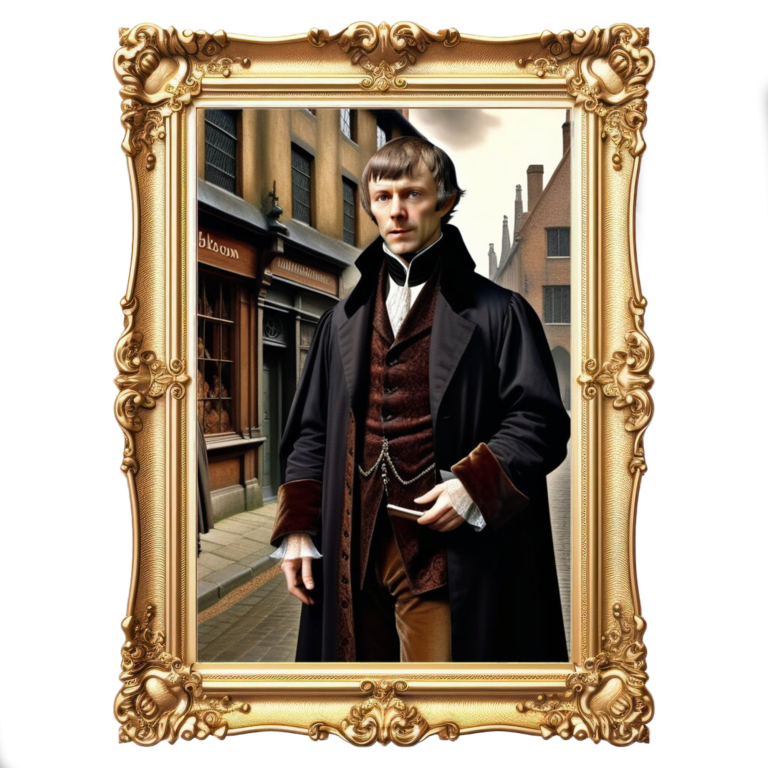
Dr. John Watson is the loyal companion at Sherlock Holmes' side and plays a central role in the stories. He is a trained physician who returns to London after his time serving as a military doctor. Here are some aspects of his character and role:
Character
Watson is friendly, loyal, and compassionate. In contrast to Holmes, he is more emotional and often displays human weaknesses, making him relatable to readers.
Friendship with Holmes
The relationship between Watson and Holmes is one of the central pillars of the stories. Watson admires Holmes' intelligence and enjoys the adventures they share. He acts as a bridge between Holmes and the world.
Chronicler
Watson is the narrator of many stories, documenting Holmes' cases. His perspective helps to view events from a more human angle, making the stories more accessible.
Complementary to Holmes
While Holmes is analytical and sometimes cold, Watson brings emotional insight and empathy to the investigations. He complements Holmes' abilities and offers a human perspective.
Professional Skills
As a doctor, Watson possesses medical knowledge and skills that prove useful in various cases, whether dealing with injuries or analyzing murder victims.
Overall, Dr. Watson is an essential figure who not only documents Holmes' adventures but also makes his character more relatable.
Professor James Moriarty is the main antagonist in the Sherlock Holmes stories and is regarded as one of the most famous villains in literature. Here are some aspects of his character and role:
Character
Moriarty is a highly intelligent and manipulative criminal. He possesses a sharp mind and often operates in the background, making him a dangerous opponent. His cold-bloodedness and composure render him a formidable enemy.
Counterpart to Holmes
He is often referred to as "the Napoleon of Crime" and is Sherlock Holmes's direct adversary. The two are intellectual rivals, with Moriarty testing Holmes's abilities.
Criminal Network
Moriarty leads an extensive network of criminals and is the head of a criminal organization. He orchestrates various crimes and employs his subordinates to carry out his plans while remaining in the shadows himself.
Strategic Thinking
Moriarty is a master of strategy and planning. He thinks several steps ahead and has a profound understanding of human psychology, which aids him in manipulating and outsmarting his opponents.
Dramatic Conflict
The confrontation between Holmes and Moriarty is often characterized by tension and drama. Moriarty presents not only a physical threat but also an intellectual challenge for Holmes.
Overall, Professor Moriarty is a complex figure who embodies the tension between good and evil, holding a crucial place in the narrative as Holmes's intellectual rival.
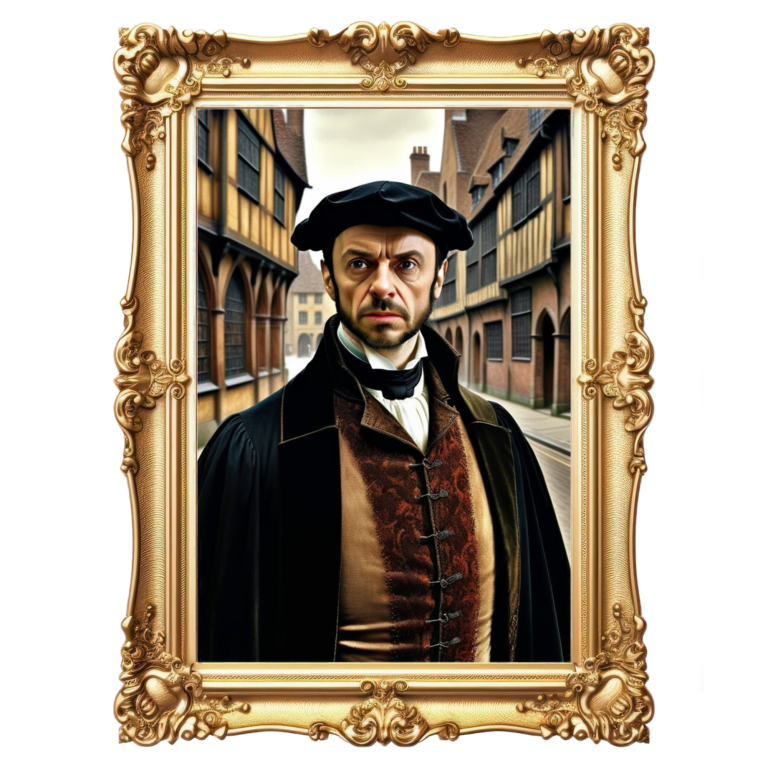
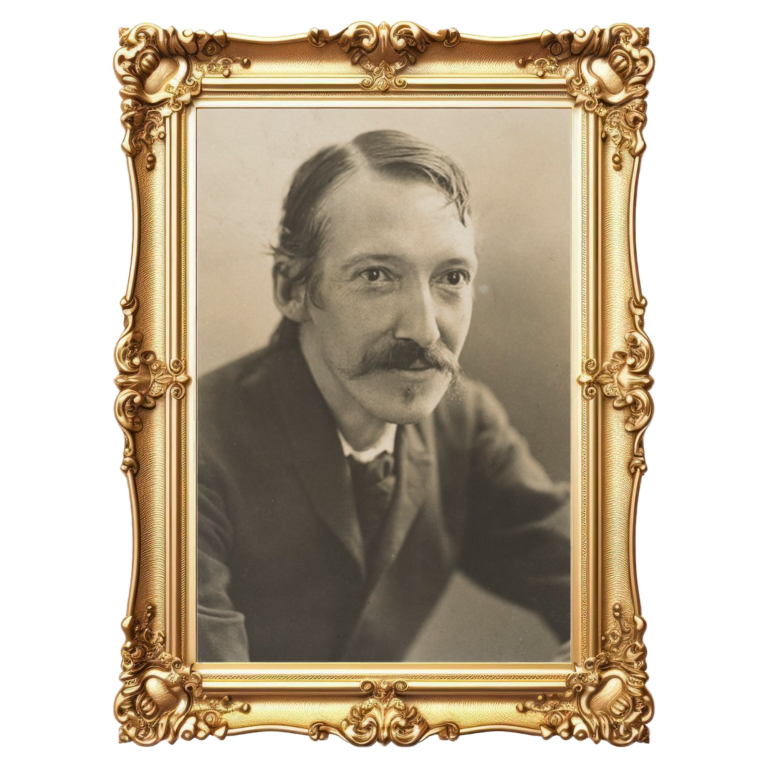
Robert Louis Stevenson (November 13, 1850, in Edinburgh; December 3, 1894, in Vailima, near Apia, Samoa) was a significant Scottish writer of the Victorian era. Despite suffering from tuberculosis and his early death at the age of only 44, he left behind a vast literary legacy that includes travel narratives, adventure novels, historical novels, poetry, and essays. Notably, his works include the classic children's book *Treasure Island* and the horror novella The Strange Case of Dr. Jekyll and Mr. Hyde , which explores the phenomenon of split personality and is regarded as an outstanding example of psychological horror. Many of his novels remain highly popular today and have inspired numerous film adaptations.
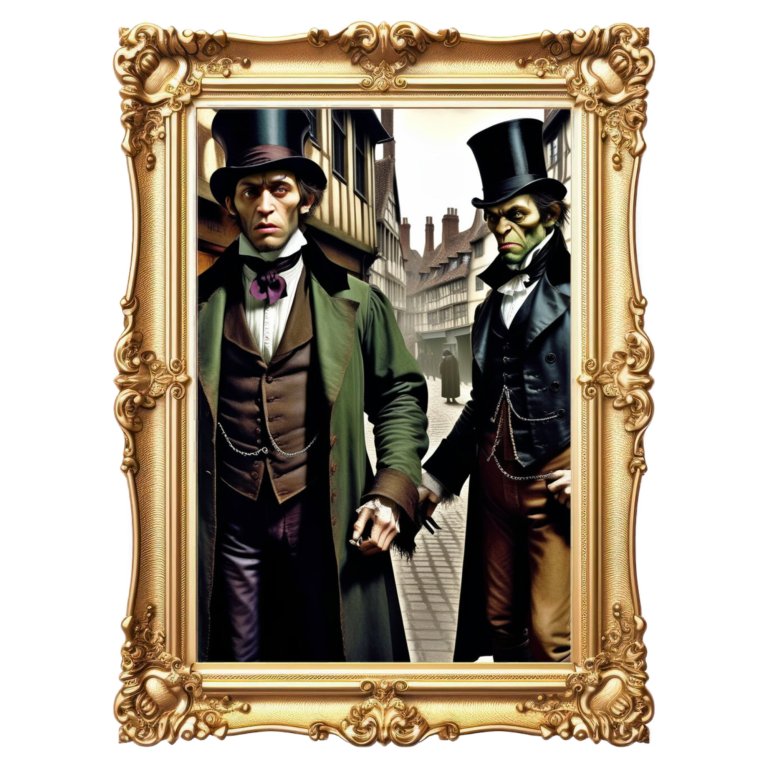
Dr. Henry Jekyll is the central figure in Robert Louis Stevenson's novella "The Strange Case of Dr. Jekyll and Mr. Hyde." Here are some aspects of his character and role
Character
Dr. Jekyll is a respected doctor and scientist known for his intelligence and moral compass. However, he is also characterized by inner conflicts and a deep desire for freedom and self-exploration.
Duality
A central theme in Jekyll's character is the duality of human nature. He believes that every person has both good and evil sides and attempts to separate these through his experiments.
Scientific Ambitions
Jekyll is obsessed with the idea of finding a cure for the dark sides of human nature. In his pursuit of knowledge, he develops a formula that allows him to transform into Mr. Hyde, a manifestation of his suppressed urges.
Conflict with Mr. Hyde
The transformation into Mr. Hyde gives Jekyll the freedom to indulge his dark impulses without fearing societal consequences. However, the more he becomes Hyde, the more he loses control over his identity.
Moral Dilemmas
Jekyll's experiment leads to tragic consequences and raises questions about ethics, responsibility, and the limits of scientific pursuit. His struggle between good and evil reflects the complex nature of human behavior.
Overall, Dr. Jekyll is a multifaceted character who embodies the inner conflicts and duality of humanity, representing a timeless exploration of morality and identity.
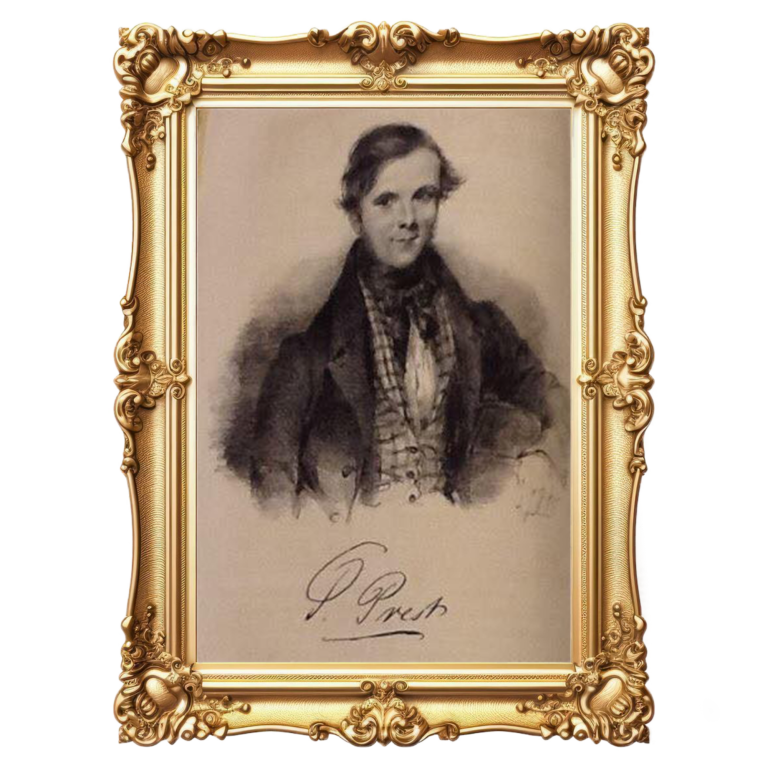
Thomas Peckett (also Preskett) Prest (* May 13, 1810, in Marylebone; † June 5, 1859, in London) was a British writer specializing in kitsch and horror literature, as well as a journalist and musician during the Victorian era.
Prest was an extremely prolific author of penny dreadfuls. Along with James Malcolm Rymer (1815–1889), he is credited with the creation of Sweeney Todd, a fictional barber and serial killer. This character appeared in a serialized novel titled *The String of Pearls*. Additionally, he, together with Rymer, is one of the authors of the vampire novel *Varney the Vampire*.
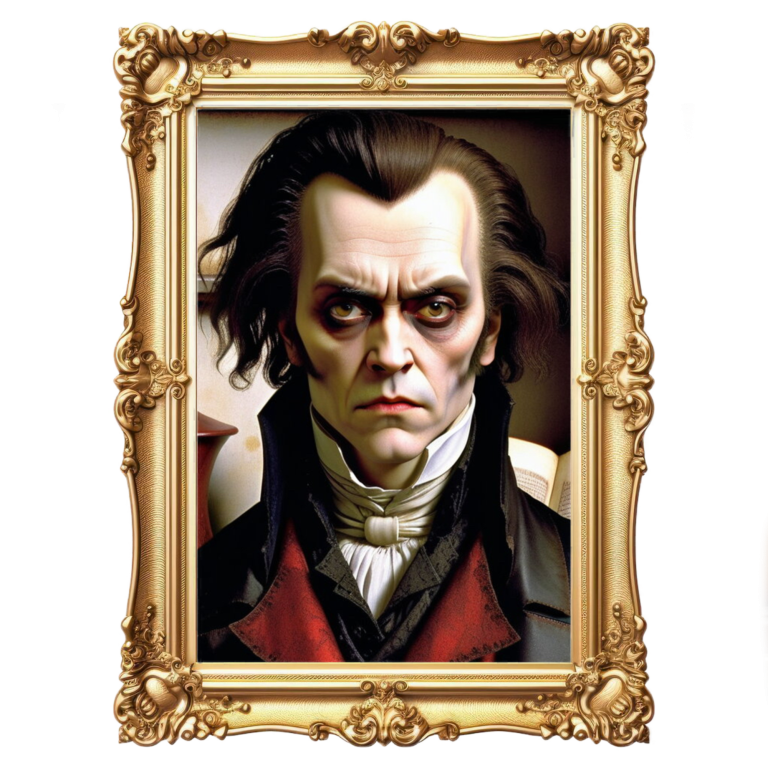
Sweeney Todd, also known as the "demon barber of Fleet Street," is a fictional character depicted in various literary and musical adaptations, particularly in Stephen Sondheim's musical "Sweeney Todd: The Demon Barber of Fleet Street." Here are some aspects of his character and role:
Character
Sweeney Todd is a complex and tragic figure whose life is marked by sorrow and revenge. He is often portrayed as dark, bitter, and driven by delusions.
Backstory
Todd, originally Benjamin Barker, was an innocent man wrongfully convicted and exiled. Upon his return to London, he discovers the atrocities committed against his family, igniting his thirst for vengeance.
Revenge and Madness
His transformation into Sweeney Todd is heavily influenced by his desire for revenge. He becomes a murderer, using his skills as a barber to kill his victims and process their remains.
Moral Ambivalence
Todd is an ambivalent figure; his quest for vengeance turns him into a monster, yet his former life and the injustices he suffered evoke sympathy. This duality makes him a fascinating character.
Relationships
His relationship with Mrs. Lovett, his accomplice, is a central aspect of the story. She offers him support but also has her own dark motives, complicating the dynamic between them.
Overall, Sweeney Todd is a haunting figure embodying themes of revenge, loss, and the darker sides of human nature, drawing audiences into a world filled with moral conflicts and tragic choices.
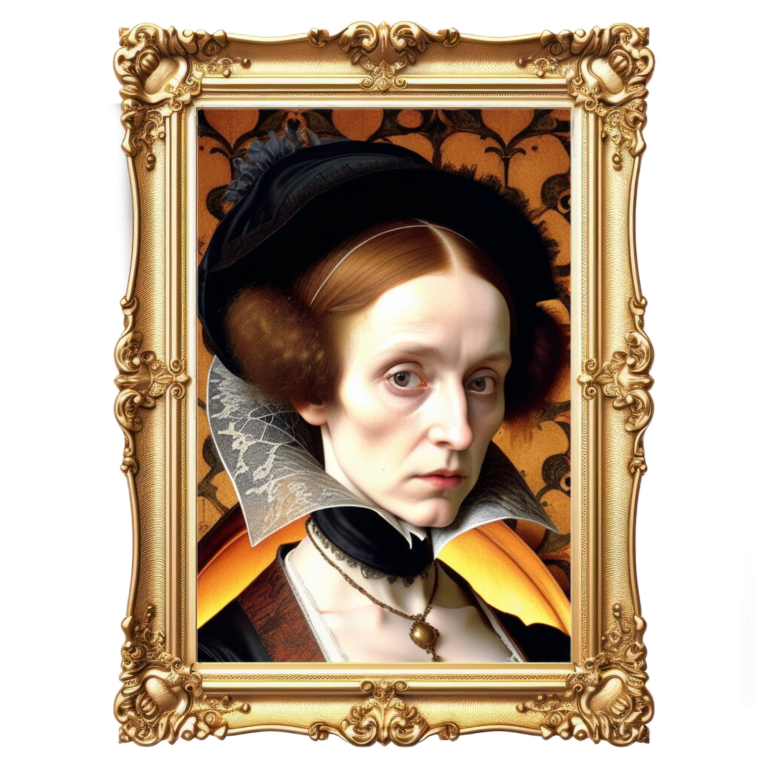
Mrs. Nellie Lovett is a central character in the story of Sweeney Todd, known from Stephen Sondheim's musical and other adaptations. Here are some aspects of her character and role:
Character
Mrs. Lovett is a humorous, pragmatic, and often unscrupulous woman who runs a bakery in London. She has a cynical yet charming personality, making her a memorable figure.
Loyalty to Todd
She is a loyal supporter of Sweeney Todd, of whom she is in love. Her loyalty is motivated both emotionally and commercially, as she believes his murders could revitalize her bakery.
Dark Ambitions
Mrs. Lovett displays a remarkable willingness to cross moral boundaries. She uses the body parts of Todd's victims to make meat pies sold in her bakery, making her an accomplice and amplifying the grotesque nature of the story.
Pragmatic Survival Instinct
Her business acumen and ability to survive in a harsh world reveal a pragmatic side. She is willing to do anything to improve her financial situation, even if it means engaging in criminal activities.
Complexity of Emotions
Mrs. Lovett is not just a criminal; she is also a complex character who feels love and a longing for belonging. Her relationship with Todd is characterized by a mix of affection, manipulation, and self-interest.
Overall, Mrs. Lovett is a multifaceted figure who embodies themes of loyalty, love, and moral corruption, enhancing the dark atmosphere of the story.
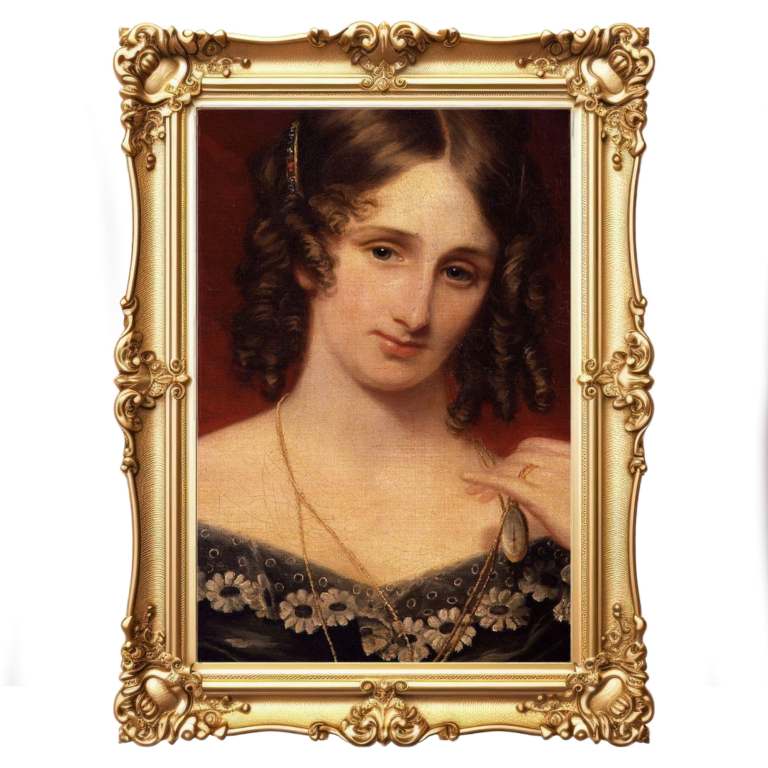
Mary Shelley, born as Mary Godwin on August 30, 1797, in London, England, and died on February 1, 1851, in her hometown, was a significant English writer of the early 19th century. She is best known as the author of "Frankenstein; or, The Modern Prometheus" (1818), a prominent work of romantic and fantastic literature.
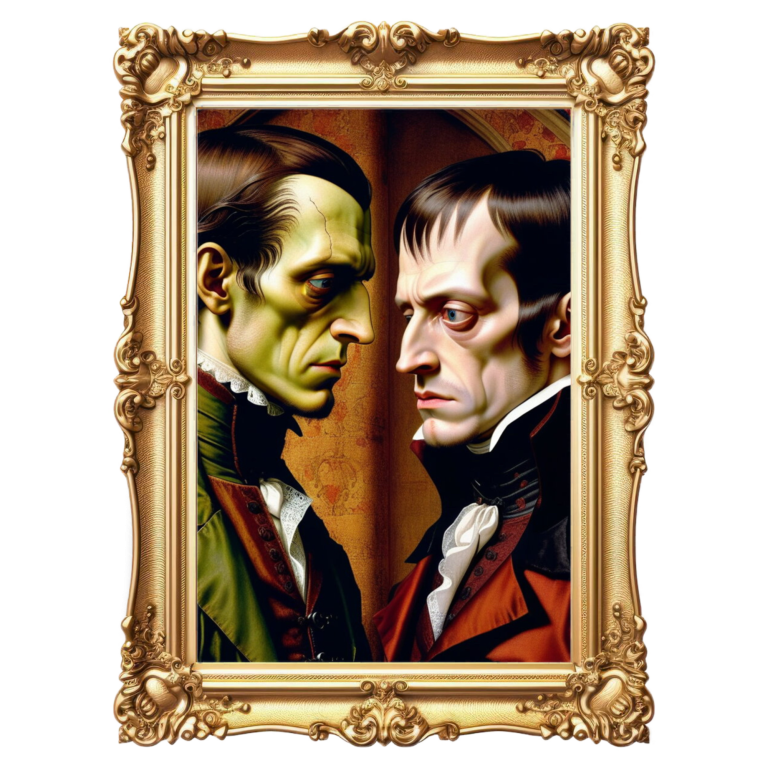
Victor Frankenstein is the central figure in Mary Shelley's novel "Frankenstein or The Modern Prometheus." Here are some aspects of his character and role:
Character
Victor Frankenstein is an ambitious and passionate scientist whose pursuit of knowledge and power leads him to the boundaries of ethical and moral questions. His obsession with creating life makes him a tragic figure.
Scientific Ambition
Victor is obsessed with the idea of unraveling the secret of life. His drive to dominate nature leads him to create an artificial human from body parts, ultimately plunging him into a moral conflict.
Consequences of His Actions
After creating his creature, Victor is plagued by guilt and fear. He realizes that his quest for power and fame has catastrophic consequences, both for himself and for those around him.
Duality and Isolation
Victor is a complex character who oscillates between scientific ambition and human responsibility. His isolation from family and friends illustrates the effects of his obsession and intensifies his inner turmoil.
Moral Responsibility
The novel addresses the question of a creator's responsibility for their creation. Victor attempts to evade his responsibilities, leading to tragic outcomes and challenging the idea of human ethics in science.
Overall, Victor Frankenstein is a tragic figure who embodies the dangers of excessive ambition and the disregard for moral boundaries, prompting readers to reflect on the ethical implications of scientific pursuits.
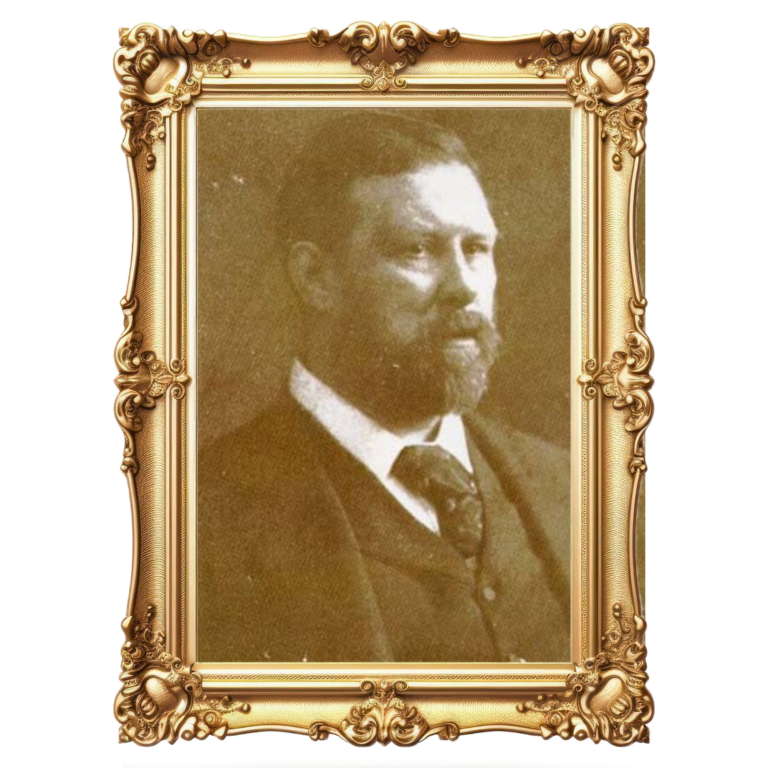
Abraham "Bram" Stoker was born on November 8, 1847, in Clontarf, near Dublin, and died on April 20, 1912, in London, England. He was an Irish author best known for his famous novel "Dracula."
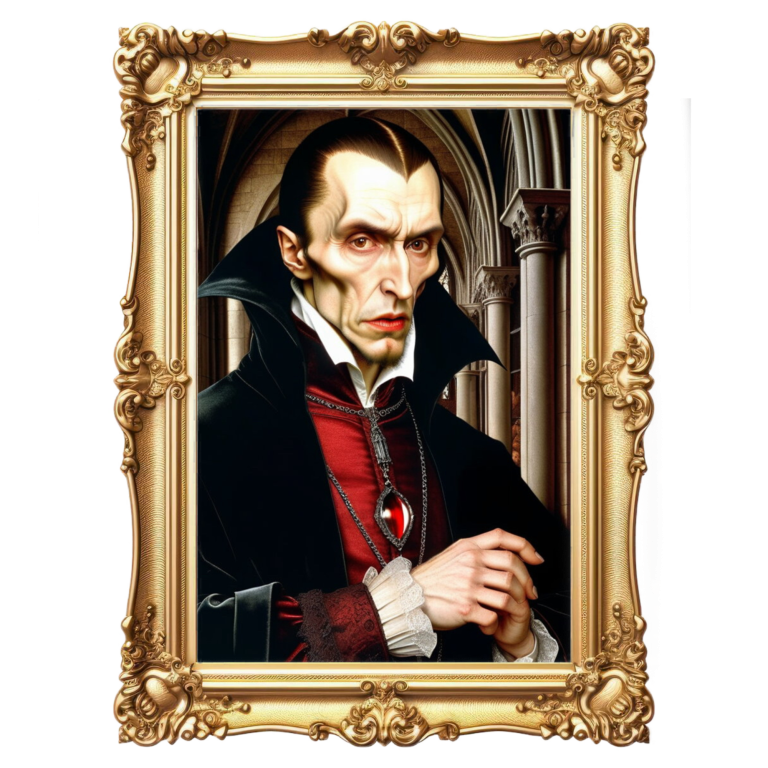
Count Dracula is the central figure in Bram Stoker's novel "Dracula" and is considered one of the most famous vampire characters in literature. Here are some aspects of his character and role:
Character
Dracula is an aristocratic and mysterious vampire with a captivating yet terrifying presence. He embodies both attraction and threat, making him a complex figure.
Origin and Mythos
As a Transylvanian count, Dracula has a long history rooted in legends and folklore. His character combines elements of power, immortality, and the supernatural.
Manipulation and Seduction
Dracula is known for his ability to manipulate and seduce people. He uses charm and intelligence to draw in his victims and bring them under his control, which increases his danger.
Symbolism of Evil
The count symbolically represents the fears of Victorian society, particularly regarding sexuality, disease, and the unknown. He epitomizes the "Other" and signifies the threat posed by the supernatural.
Conflict with the Protagonists
Dracula is the antagonist of the story, opposing a group of characters trying to stop him. The conflict between Dracula and the protagonists, particularly Jonathan Harker, Mina Murray, and Van Helsing, highlights the struggle between good and evil.
Overall, Count Dracula is a multifaceted figure who embodies themes of power, seduction, fear, and the unknown, prompting readers to reflect on the boundaries between humanity and inhumanity.
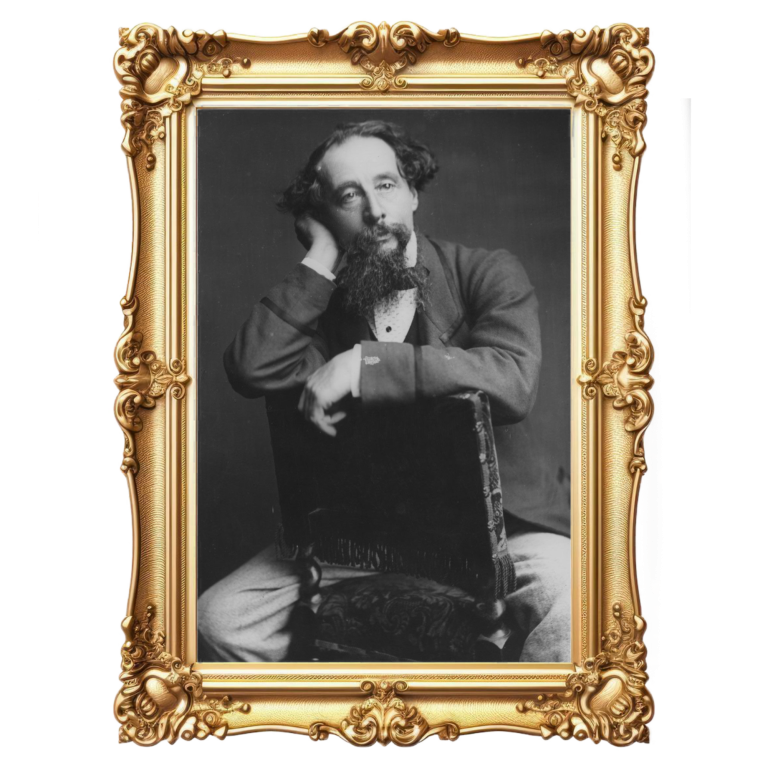
Charles John Huffam Dickens, also known by the pseudonym Boz, was born on February 7, 1812, in Landport, near Portsmouth, England, and died on June 9, 1870, at his country estate, Gad’s Hill Place, in Higham, Rochester. He is considered one of the most prominent writers in world literature. In 2015, 82 international literary critics and scholars selected four of his novels – "David Copperfield," "Bleak House," "Great Expectations," and "Dombey and Son" – as some of the most significant British novels. Other notable works include "Oliver Twist," "A Tale of Two Cities," and "A Christmas Carol."
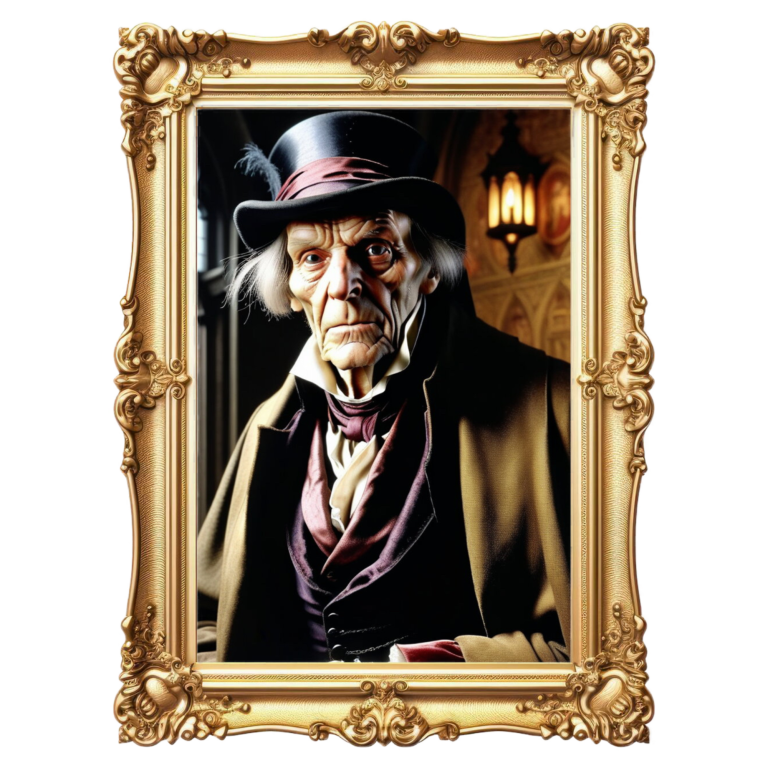
Ebenezer Scrooge is the central character in Charles Dickens' Christmas story "A Christmas Carol." Here are some aspects of his character and role:
Character
Scrooge is a hard-hearted, miserly, and isolated businessman known for his unfriendliness and lack of compassion. He prioritizes material values over human relationships and is driven by a fear of poverty.
Transformation
The story showcases Scrooge's transformative journey from a selfish individual to a generous and compassionate person. This transformation is sparked by visits from the ghosts of Christmas, who show him his past, present, and future.
Symbolism
Scrooge represents the negative aspects of Victorian society, such as greed, selfishness, and the failure to think beyond one’s own welfare. His character symbolizes the possibility of change and hope.
Relationships
His interactions with other characters, such as Bob Cratchit, his former fiancée Belle, and his deceased business partner Jacob Marley, underscore the impact of his behavior on his life and those around him.
Moral Message
Scrooge's story teaches the importance of charity, community, and the value of human relationships. The renewal of his spirit and return to a generous lifestyle encourage readers to show compassion and be there for others.
Overall, Ebenezer Scrooge is a multifaceted character who embodies the journey from darkness to light, presenting a timeless message about the power of change and the significance of humanity.
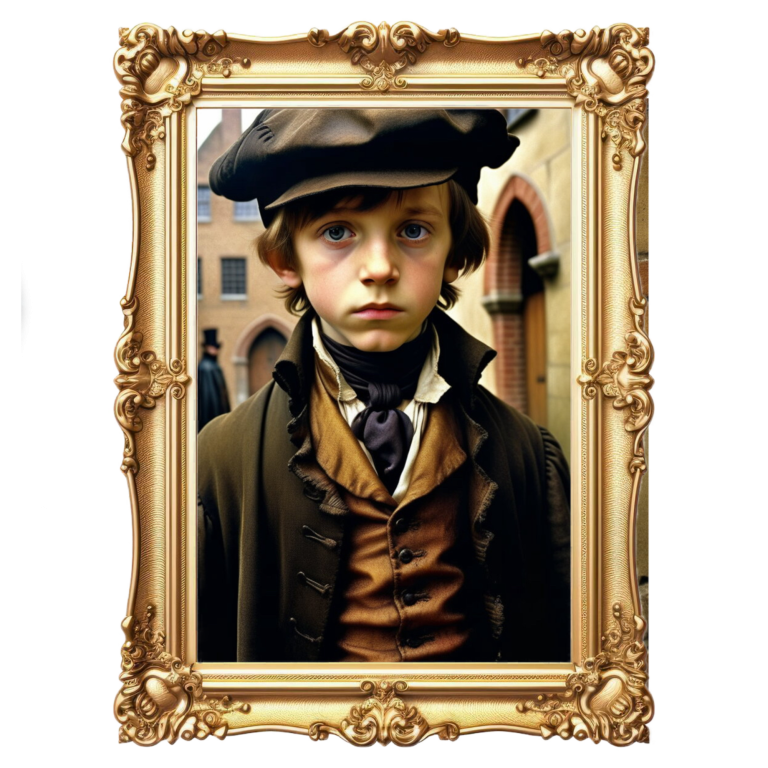
Oliver Twist is the main character in Charles Dickens' novel "Oliver Twist." Here are some aspects of his character and role:
Character
Oliver is an orphan who lives in a system that views him as worthless. He is innocent, brave, and possesses a strong will to survive. Despite the adverse circumstances, he remains hopeful and profoundly human.
Backstory
Oliver is born in a workhouse and grows up under harsh conditions. His experiences with abuse and neglect shape his character and worldview.
Symbolism of Innocence
Oliver embodies innocence and goodness in an often cruel world. His name itself becomes a symbol of the quest for a better life and the search for love and belonging.
Conflict with Society
Oliver's journey takes him through various layers of society, where he encounters crime, exploitation, and social injustice. His struggle against these circumstances reflects the challenges of Victorian society.
Relationships
The relationships Oliver forms with other characters, such as Nancy, Fagin, and the Artful Dodger, reveal different facets of loyalty and betrayal. Nancy's influence is particularly significant, as she provides him with love and protection.
Overall, Oliver Twist is a poignant figure who embodies the themes of innocence, hope, and social justice, prompting readers to reflect on the conditions of orphans and the vulnerable in society.
Wir benötigen Ihre Zustimmung zum Laden der Übersetzungen
Wir nutzen einen Drittanbieter-Service, um den Inhalt der Website zu übersetzen, der möglicherweise Daten über Ihre Aktivitäten sammelt. Bitte überprüfen Sie die Details in der Datenschutzerklärung und akzeptieren Sie den Dienst, um die Übersetzungen zu sehen.